

What Are Whole Grains?
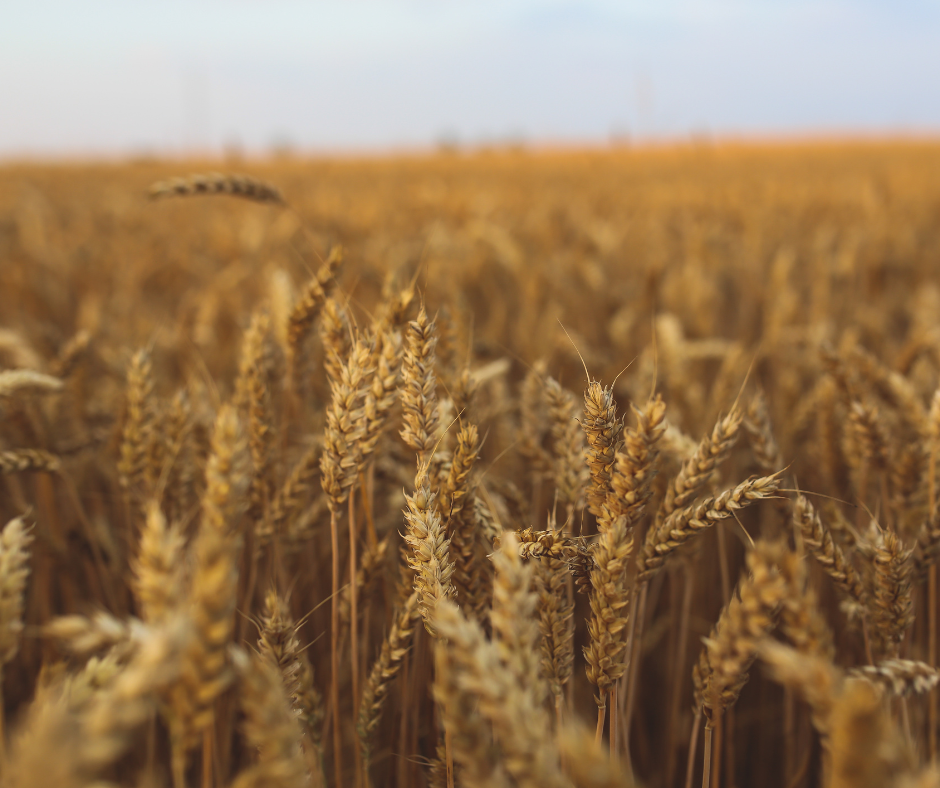
Whole grains are the complete seeds of cereals such as oats, brown rice, barley and quinoa. Each grain has three important parts:
-
Bran – loaded with fibre, vitamins and minerals
-
Endosperm – provides energy from carbohydrates
-
Germ – the nutrient powerhouse with B vitamins, vitamin E, healthy fats and mineral
When grains are refined (like white rice or white bread), most of the bran and germ are removed and so are many important nutrients. That’s why whole grains are the real superhero!
Why Are Whole Grains Great for Kids & Teens?
Whole grains and legumes are true nutritional superheroes. They help young people:
-
Stay energised for school, sports and play
-
Feel fuller for longer, helping avoid constant snacking
-
Support healthy digestion, thanks to all that fibre
These benefits make whole grains a simple but powerful way to fuel busy brains and growing bodies.
Key Nutrients in Whole Grains
Whole grains are naturally rich in important nutrients, including:
-
Dietary fibre – keeps the gut happy and digestion on track
-
Magnesium – supports bone and muscle development
-
Iron – helps with energy production and concentration
-
Zinc – boosts immune health
-
B-group vitamins – essential for energy and brain function
It’s no wonder they’re recommended as part of everyday eating!
Easy Ways to Add More Whole Grains
Even small swaps can make a big difference. Try:
-
Switching white bread for wholegrain or multigrain bread
-
Adding oats to smoothies, muffins or breakfast bowls
-
Using brown rice or quinoa in salads, stir-fries and other meals
-
Snacking on air-popped popcorn or wholegrain crackers
freshSNAP recipes that hero whole grains to try this week!


Let’s celebrate Whole Grain Week by filling our plates with foods that help us feel good now and support a healthier future!