
Here are six shifts that could shape the lunchbox of 2036:
Fresh, seasonal food will be the foundation
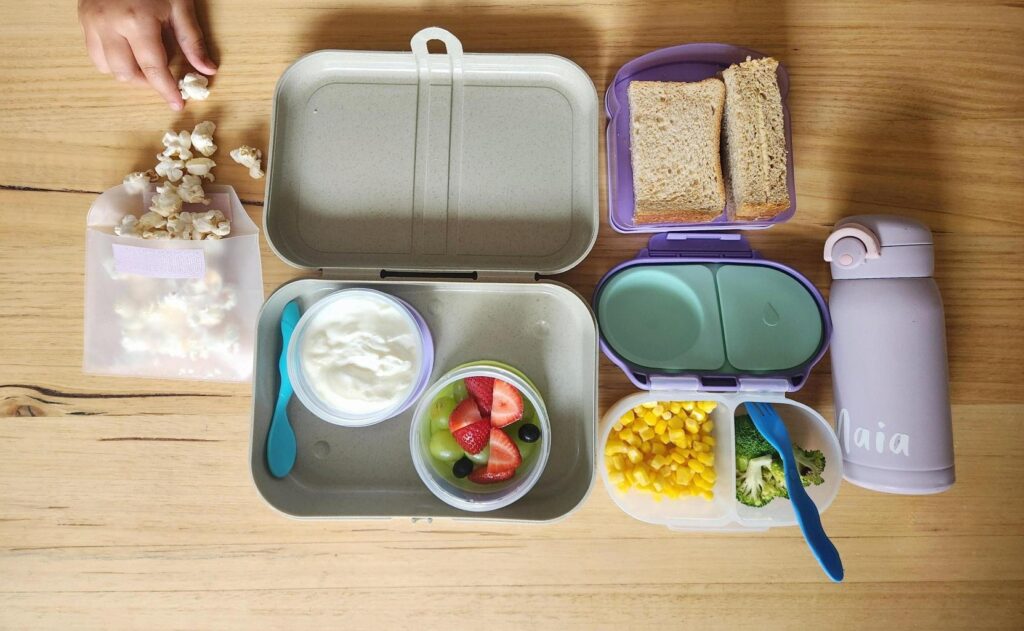
Even as food technology advances, the main components of lunch boxes in 2036 will still be recognisable: vegetables, fruit, wholegrains, protein-rich options, dairy or calcium-rich alternatives and water.
What may change is convenience: better cold-chain storage, longer-lasting fresh produce, and easier access to pre-prepared local ingredients could make fresh wraps, rice bowls, salads, and snack boxes as routine as sandwiches.
Seasonality will also matter more, with families becoming more comfortable swapping ingredients based on what is fresh, affordable, and available, rather than relying on the same foods all year round.
Personalised planning will make lunch boxes more practical
By 2036, meal-planning tools may help families tailor lunch boxes to a child’s appetite, school day, activity level, allergies, preferences, and what is already in the fridge.
Instead of asking “what should I pack today?”, parents may receive realistic suggestions that account for sports days, very hot or cold weather, using up leftovers, school policies, and household budgets.
Artificial intelligence may help generate shopping lists, suggest lunch combinations from available ingredients, and turn last night’s dinner into tomorrow’s lunch with less waste and less decision fatigue.
Technology will be most useful when it supports, not replaces, trusted nutrition advice and a family’s knowledge of what their child will actually eat.
Smart storage could improve freshness and food safety
The lunch box itself may become more helpful, with features that monitor temperature, keep food cooler/hotter for longer, and alert families when perishable foods have been stored unsafely.
Improved insulation with separate compartments simultaneously keeping hot food hot and cold food cold will become more commonplace.
Smart reminders could support simple everyday habits, such as drinking enough water, bringing home reusable containers and learning basic food-safety routines from an early age. Built-in tracking tags linked to an app may also help families find misplaced lunch boxes before they become permanently lost.
As these features become more affordable, smart food storage may shift from a novelty to an everyday support for safe, fresh, and enjoyable lunches.
Lunch boxes will become more colourful and diverse
By 2036, variety may be just as important as quantity, with lunch boxes featuring a broader mix of different vegetables, fruit, legumes, wholegrains, seeds and culturally diverse meals.
In celebration of Australia’s diverse food culture – children may regularly pack a wider variety of foods such as rice paper rolls, falafel, gozleme, dumplings, or dhal.
Plant foods such as chickpeas, lentils, beans, tofu and edamame are likely to become even more common because they are versatile, affordable and easy to pair with familiar flavours.
Native Australian ingredients may also become more familiar, with lemon myrtle, wattleseed, finger lime, Davidson plum or Kakadu plum appearing in muffins, yoghurt, dips, muesli bars and homemade snacks.
For children, this diversity can make lunch more interesting while encouraging curiosity about culture, seasonality, and where food comes from.
Waste-free habits and leftovers as lunchbox heroes
Reusable containers, refillable drink bottles, and package-free snacks are already common, but by 2036 low-waste lunch boxes may simply be the standard.
Lunchboxes of the future will be constructed with durable, recyclable or recycled materials with repairable parts, more dishwasher-safe components, or self-sanitising using UV technology.
Customisable, removable compartments with age-appropriate portion guides for fruit, vegetables and other foods may help families choose containers that suit the needs and appetite of each child.
Relying more on leftovers as a key component of the lunch box and flexible meal planning can also reduce food waste and reduce preparation time and cost for families.
Schools may also play a greater role through composting systems, food-waste tracking and classroom conversations that help children value edible food rather than discard it.
The most sustainable lunch box will be one that is packed, eaten and enjoyed.
Children will have more say in what they eat
One of the most practical changes may be less about technology and more about independence.
By 2036, more children may help choose, prepare and pack their own lunches, building confidence around food and increasing the chance that lunch is actually eaten.
Simple choices, such as selecting between two fruits, choosing a vegetable for dipping or helping assemble a wrap, can make healthy eating feel more positive and less pressured.
This matters because a future-ready lunch box is not the one that looks perfect online; it is the one a child understands, enjoys and can manage during a busy school day.
What families can do now
The lunch box of 2036 may sound futuristic, but the best preparation starts with habits families can build today:
- Pack from the core food groups most days – vegetables, fruit, wholegrains/cereal foods, protein-rich foods, dairy or calcium-rich alternatives, and water.
- Choose seasonal produce where possible and stay flexible when availability or prices change.
- Use leftovers creatively, pack realistic portions, and notice what comes home uneaten.
- Save time by including a range of nutritious lunchbox ingredients as part of your regular weekly shopping list.
- Support children’s independence by inviting them to choose and prepare small parts of their lunch box, gradually building up to packing the whole lunchbox when they are ready.
- Recognise that every lunch box is different – the type of container and contents will differ across classmates depending on family budget, time constraints, cultural influences, allergies, and food preferences.
- Remember, there is no ‘perfect’ lunchbox – the goal is to take the pressure off parents when choosing lunchbox foods, while helping children develop curiosity and confidence around food. A lunchbox should never be a source of assessment or shame – it’s an opportunity to explore, learn and enjoy food.
Explore the freshSNAP Healthy Lunchbox Guide for practical ideas families can use today.