

What is the Australian Health Promotion Association Scholarship?
The scholarship program commenced in 1993 and is a collaboration between the Australian Health Promotion Association (AHPA) and Healthway. Each year, four 12-month scholarships are awarded, providing recipients with a paid work placement to deliver a health promotion project.
The scholarship enables scholars to be embedded within an organisation like every other team member, while also receiving mentorship from an external professional and access to a professional development budget. These assets are designed to invest in and strengthen the future health promotion workforce.
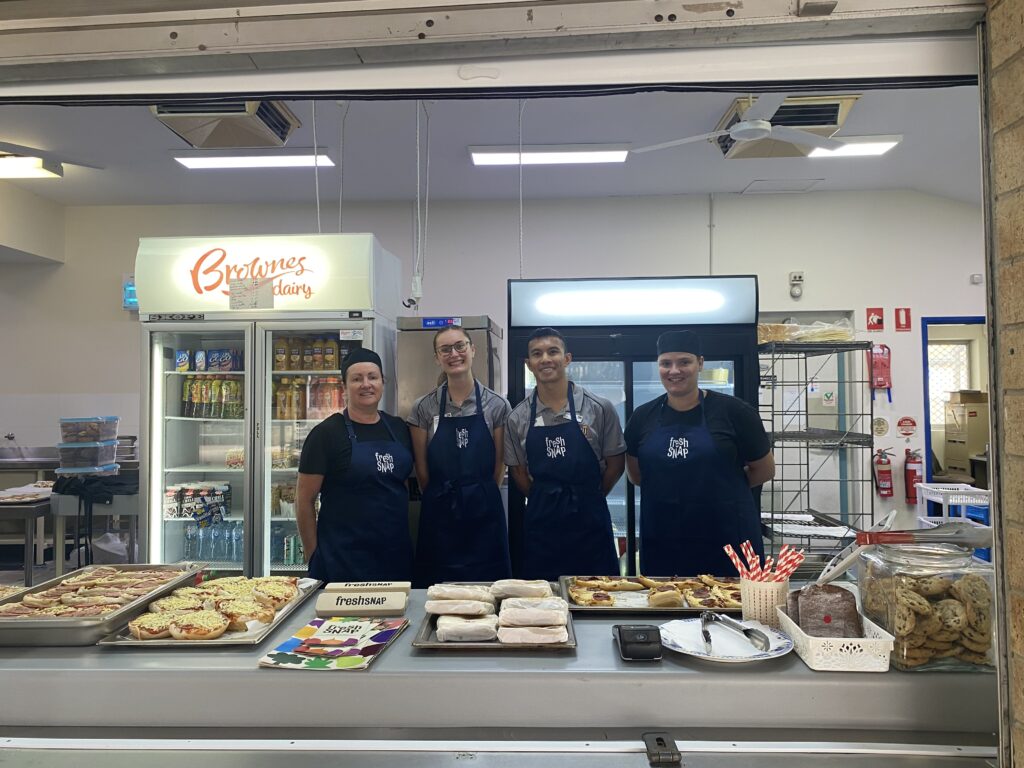
I was fortunate enough to be part of this incredible program, working alongside the freshSNAP team and the National Nutrition Foundation.
Exploring youth nutrition trends: investigating the eating habits and knowledge of adolescent aged 12-18 years
The primary goal of my project was to create a co-designed resource that improves the knowledge and confidence of adolescents aged 12-18 years in making nutritious food and drink choices. At the beginning of the scholarship, there wasn’t an exact resource identified as this was to be based on current literature and the outcomes from the stakeholder interviews and youth focus groups.
Key highlights and findings
I spoke with 12 stakeholders from different industries (nutrition, health, teachers, parents, etc) who worked directly and indirectly with adolescents and gave their insights around what the best ways were to collaborate with them.
A clear theme was where adolescents are getting their nutrition information. The top places adolescents were going for nutrition information were their families, search engines and AI and social media. Most notably, families came in as the top source for a lot of them, which then shows how even though being in a large digital age, it is just as important for parents and carers to modelling positive food behaviours and advice. But on the other hand, social media was obviously still a big factor for adolescents, particularly around following influencers for ‘what I eat in a day’s’ and the more aesthetic side of what they individually deem to be “healthy”.
There is a big perception with healthy foods being deemed as more expensive, and cost and affordability being a big barrier to them eating nutritious foods. As well as this, them also having to rely on their families to purchase their food with a lot of them not having jobs was a big theme coming through. Additionally, a few of the participants were involved in a lot of extracurricular activities which resulted in them not having a lot of time to prepare meals, and more focused on snacks and meals they can have on the go.
When asked to imagine creating a nutrition resource specifically for their school, participants suggested a variety of ideas. Common themes included:
- Having affordable, healthy foods available at the canteen
- More hands-on cooking experiences that would be useful after school
- Engaging and evidence-based digital tools
- Personalised guidance on topics such as fuelling for energy and exercise
54% of participants knew what the five food groups were in the Australian Dietary Guidelines.
Resource development
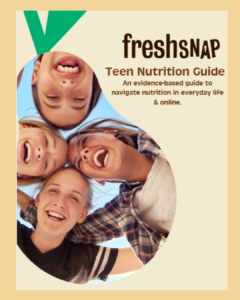
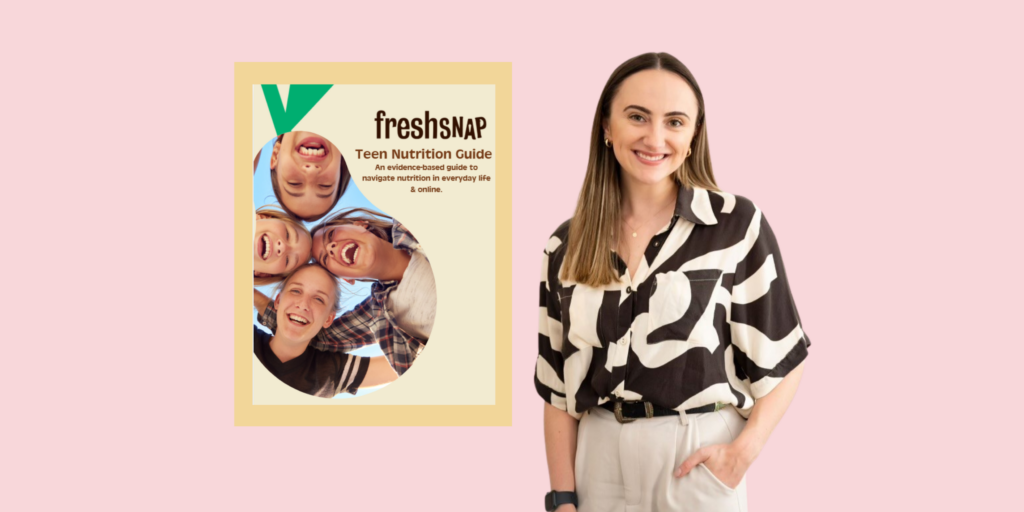
From what we identified through the thematic analysis, I decided that an adolescent e-book/guide would be the best way to present the resources and information gathered through the project. The e-book firstly goes into detail around the purpose and how it has been created through the AHPA scholarship program, as well as then explaining why consistent nutrition messaging matters, particularly for adolescents.
5 topics are then covered that directly align with what the adolescents identified as being their biggest down falls or confusions when it came to nutrition education. These include:
- Comparing serving sizes to everyday food items: Rather than just identifying what a serve of a food group looks like, it also shows what this can look like in comparison to everyday items they use, e.g., 1 medium apple also looking like 1 tennis ball.
- Pantry staples 101: This was particularly prominent for older adolescents who were thinking of moving out of home when they left school. It goes into details around what pantry food items and utensils are good to have to make cooking easier and more cost effective.
- Hacks when sourcing nutrition information: Includes red and green flags to look out for when looking for nutrition information online. This looks at why it’s important to differentiate between the two and how things online aren’t always the best information to trust.
- Resource focusing on food choices shaped by what’s available to them, rather than focusing on what they don’t have: This includes points such as looking at what they can take ownership around their food choice, how creative they can be with what they have, what they can add to their meals, and not being afraid to have more than one serve.
- Relationship between food and mood: This goes into detail around ways to fuel your brain and also looking at ways to nourish your body and mind when eating out.
Download the full ebook here!